Boxabl Site Prep & Utilities: The Fort Worth Owner’s Guide
Boxabl site prep and utility hookup in Fort Worth typically runs $12,000 to $38,000 depending on lot conditions, utility distances, and whether you’re on city sewer or septic. We stock the common connection hardware, trenching equipment access, and the foundation pads Boxabl units require, and most utility tie-ins are completed within two to three weeks once permits clear. Owners usually discover a problem here not as a sudden failure but as a stalled timeline: the unit’s delivered, the city inspector comes out, and something about the pad elevation, the sewer invert depth, or the electrical service load doesn’t match what the Boxabl install manual requires. That’s the moment most people call us.
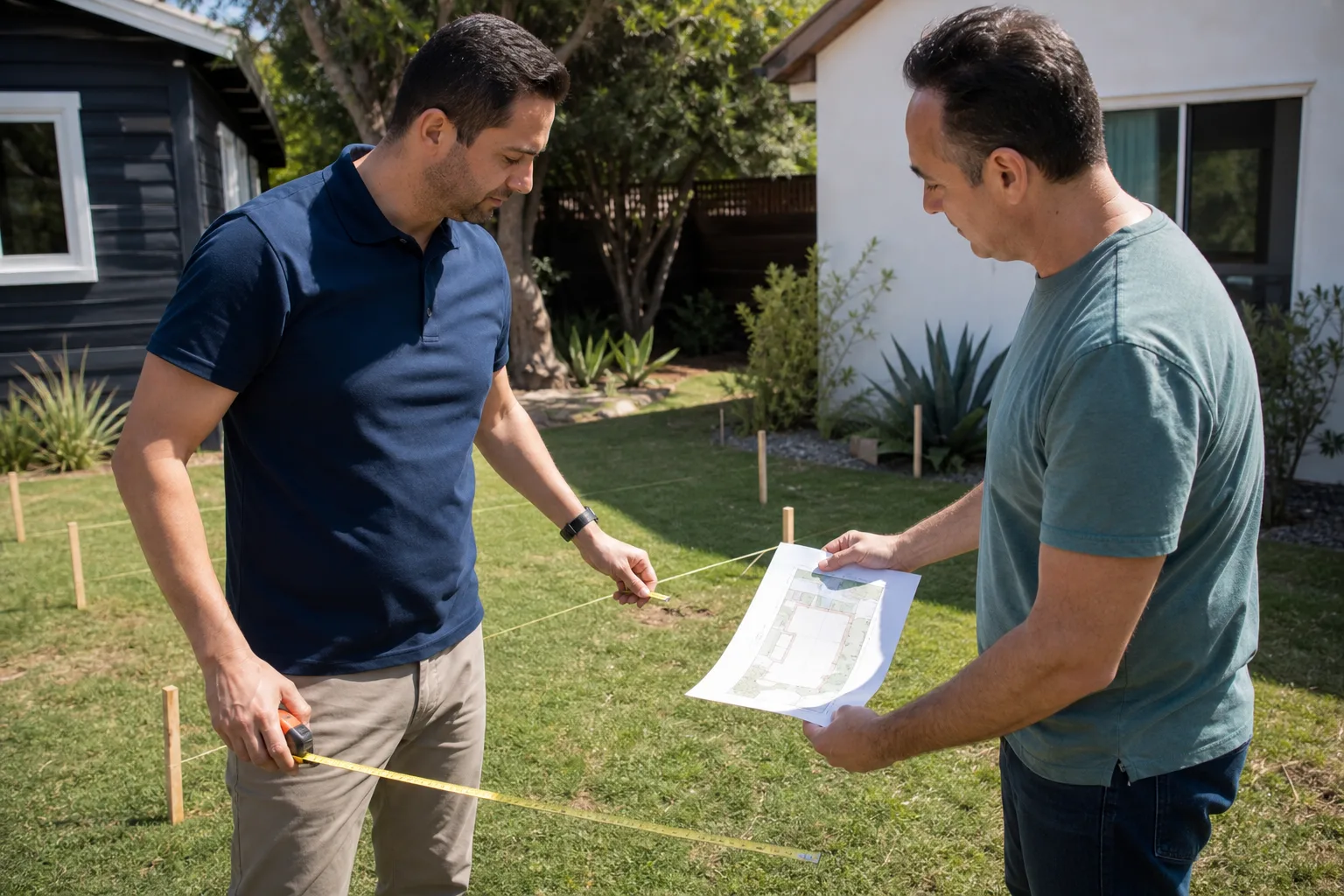
We’re an independent Fort Worth contractor, not affiliated with Boxabl, but we’ve done enough of these installs to know exactly where the site prep details bite. Miles Hartwell has walked more Boxabl pads in Fort Worth than he can count, and the pattern is consistent: the unit itself is rarely the headache. The ground under it is.
Which Boxabl Models This Applies To
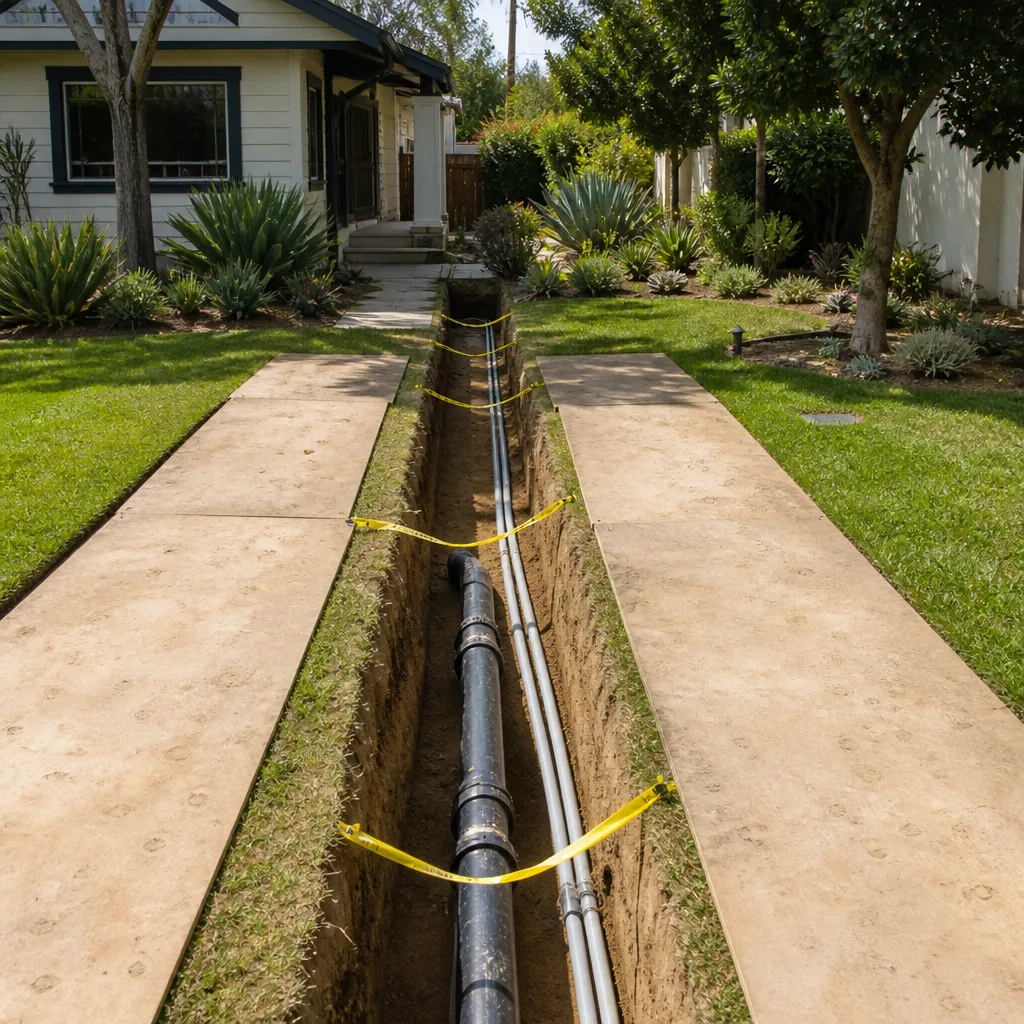
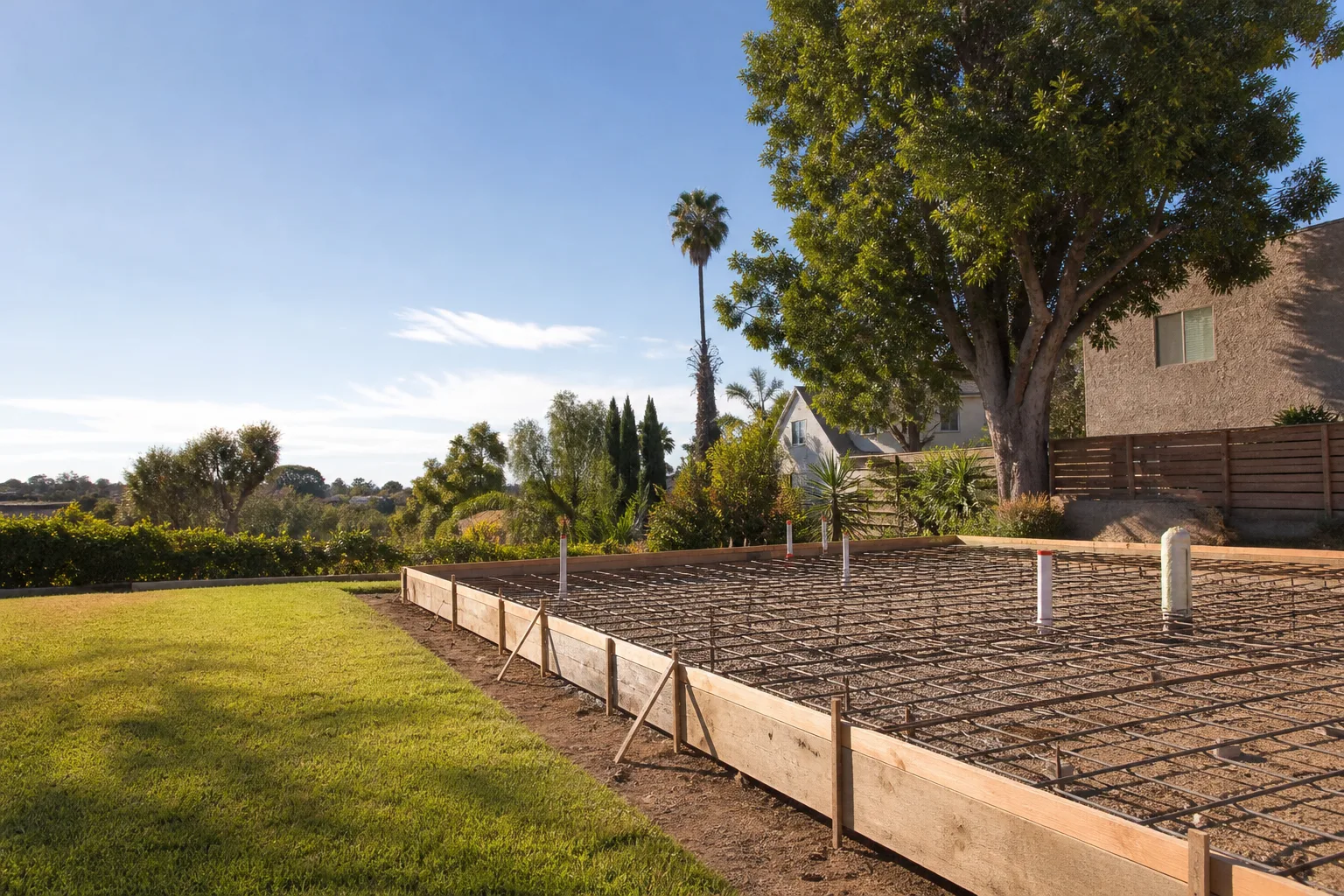
Every Boxabl on the market, including the Casita 375 and the larger modular configurations, sits on a compacted gravel or concrete pad with very specific flatness tolerances. The factory calls for a variance of no more than 1/8 inch across the pad footprint. That’s tighter than most concrete crews are used to pouring for a shed or a patio, and it’s the single most common reason a Boxabl delivery gets refused on-site. We check the pad with a laser level before the truck ever rolls.
Utility connections vary by unit size and by what Fort Worth’s Development Services Department requires for your zoning. A Casita 375 needs a 100-amp electrical service, a 3/4-inch water line, and a 3-inch sewer connection as the baseline. Larger multi-unit Boxabl configurations step up to 200-amp service and sometimes a 4-inch sewer line depending on fixture count. The compatibility gotcha that surprises people: Boxabl’s factory-installed plumbing stubs exit the unit at specific x-y coordinates from the pad edge, and if your trench or stub-out is off by more than a few inches in the wrong direction, you’re cutting concrete. We verify those coordinates against the install drawings before we ever dig.
We also work with Abodu, Cover, and Dvele systems, and the same site prep discipline applies. The brand differs, the pad and utility precision doesn’t.
Signs Your Boxabl Site Prep & Utilities Is Failing
- Water pooling against the pad edge after rain. This usually means the pad was poured too low or the surrounding grade wasn’t sloped away correctly. In Fort Worth’s clay-heavy soils, water sits and expands the ground, which can shift a pad over a single wet winter.
- Doors that stick or no longer latch square. A Boxabl’s steel frame is stiff, but it still reacts to an uneven pad. If your door alignment has drifted since install, the pad has likely settled or heaved unevenly.
- Sewer smells near the utility stub-out. This often points to a sag in the sewer lateral where water pools and solids build up. We see it on Fort Worth lots where the trench wasn’t bedded with enough sand before the pipe went in.
- Breakers tripping when the mini-split and water heater run together. This suggests the electrical service was sized to the unit’s minimum spec without accounting for actual usage patterns. Texas summers push a Boxabl’s cooling load hard, and 100-amp panels can get tight.
- Low water pressure when more than one fixture runs. A 3/4-inch supply line is fine for a single unit, but if the run from the meter is long or the pressure at the street is weak, you’ll feel it at the shower. We check static pressure at the meter before quoting any water line work.
Replacement Cost & What’s Included
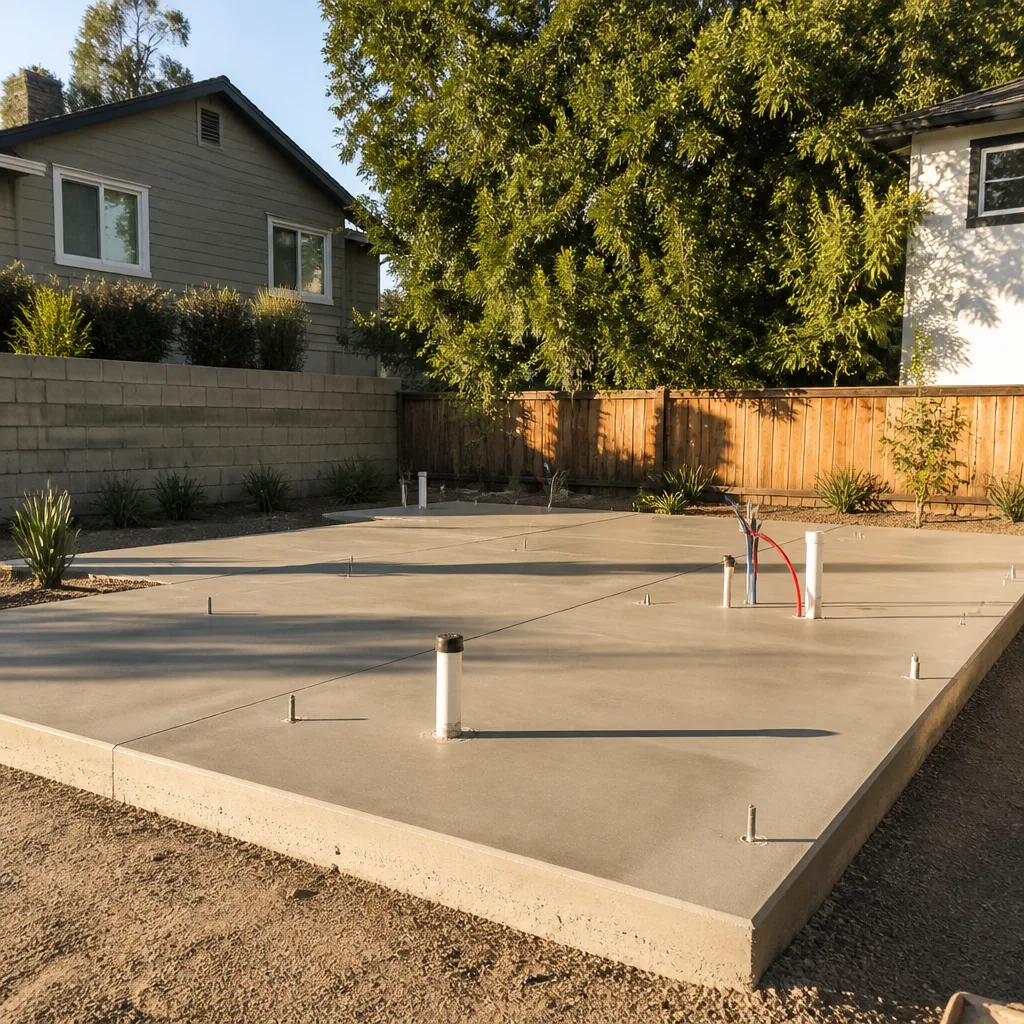
For a Boxabl in Fort Worth, here’s what you’re looking at:
- Pad correction or re-pour: $4,000 to $9,000 depending on whether we can grind and level or need to break out and replace
- Sewer lateral replacement: $3,500 to $7,500 for a typical 40- to 60-foot run with cleanouts
- Water line replacement or upgrade: $1,800 to $4,200 depending on distance from the meter and whether we’re going from 3/4-inch to 1-inch
- Electrical service upgrade from 100-amp to 200-amp: $3,000 to $6,000 including the panel swap and utility coordination
- Full site prep package (pad, grading, utilities, final hookup): $12,000 to $38,000 all-in, which reflects the spread between a flat city lot with short utility runs and a rural or odd-shaped Fort Worth lot with a long sewer run or septic tie-in
Every quote includes parts, labor, equipment time, and the permit fees we’ll pay on your behalf. You get the written price before we start, and if the number we give you on day one doesn’t hold up by permit approval, that’s on us, not you. The 365-Day Done Right Promise covers defects in workmanship for a full year after we finish. If a utility connection fails because we made an error, we come back and fix it without a second invoice.
DIY or Call Us?
Some parts of site prep you can absolutely handle yourself: clearing brush, marking your own property lines, even running the initial permit paperwork with Fort Worth’s Development Services if you’re patient. What you shouldn’t DIY is anything involving a live electrical panel, a sewer tie-in, or a natural gas line. Those aren’t just skill issues, they’re genuinely dangerous if you get them wrong. A bad sewer connection poisons your own yard. A bad electrical connection burns a unit down. We’ve seen a homeowner in the TCU area try to save $2,000 on an electrical service and end up replacing half the panel after an arc fault.
If you’re unsure whether your existing site prep is sound, call us at (682) 255-2399. We’ll send someone out to look at the pad, the utilities, and the grading. The first conversation is free, and you’ll get an honest read on what’s fine and what isn’t.
FAQs
A properly poured and compacted pad should last 30 years or more, though Fort Worth’s expansive clay soil means you’ll want to re-check grading every few years and keep water draining away from the pad edges. The utility lines themselves, when bedded correctly, have a 50-plus-year service life for sewer and water, and 30 to 40 years for electrical service equipment before a panel starts showing its age.
Yes, in many cases. If the pad is slightly out of spec, we can grind high spots or pump mud-jacking material under low areas rather than tearing out and re-pouring. Sewer lines with a single bad joint can often be spot-repaired. The call on repair versus replace comes down to how far gone the issue is, and we’ll show you the numbers for both options before you commit to either.
Most full utility tie-ins in Fort Worth take 5 to 10 working days from the first excavation to the final city inspection. Pad work adds 3 to 7 days depending on weather and concrete cure time. The bottleneck is usually permit approval, not the physical work, which is why we handle permit filing as part of the project rather than asking you to chase the city yourself.
We stock the common connection hardware, adapter fittings, meter bases, and pad materials locally, so there’s no long lead time waiting on parts from Boxabl or a third-party manufacturer. If a specialty fitting is required, our Fort Worth suppliers can usually source it within 48 hours. Call (682) 255-2399 and we’ll check availability while you’re on the phone.
Written by Miles Hartwell, Owner, Sutton ADU Fort Worth at Sutton ADU Fort Worth, serving Fort Worth and nearby areas.