Plant Prefab Garage Conversion ADU: The Fort Worth Owner’s Guide
If your Plant Prefab garage conversion ADU has a failing component, we stock and install Plant Prefab-compatible parts throughout Fort Worth, with most replacements priced between $450 and $3,800 depending on what’s gone wrong. The question isn’t whether we can match the part; it’s whether the failure is isolated or a symptom of something deeper in the structure. Owners usually discover the problem the hard way: a door that drags against the frame after a wet spring, an electrical circuit that keeps tripping during the hottest stretch of a Texas July, or a plumbing fitting that weeps after the first hard freeze. Plant Prefab builds are engineered tight, which is good, but tight envelopes also mean small failures announce themselves fast if you’re paying attention.
We’re an independent service provider, not a Plant Prefab affiliate, which means we tell you plainly when an OEM part is worth the wait and when a quality aftermarket equivalent will outlast the original. Miles Hartwell has been working on Fort Worth ADUs long enough to know that the parts catalog only tells half the story. The other half is knowing how a given component behaves after five summers of 100-degree heat and the freeze-thaw cycles that come every winter.
Which Plant Prefab Models This Applies To
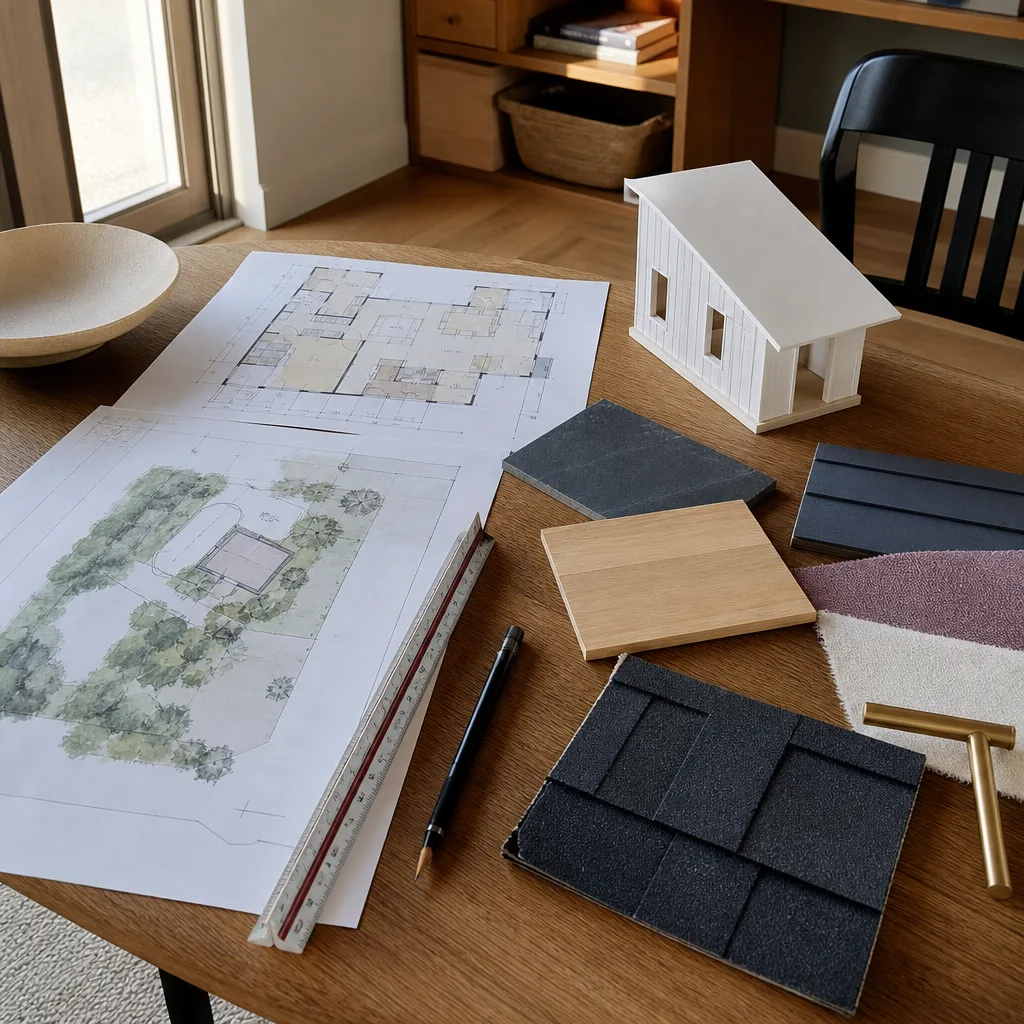
Plant Prefab’s garage conversion ADU product lines, including their LivingHome and Plant Panels series, use a mix of off-the-shelf and proprietary components. The proprietary pieces are mostly in the panel connections and factory-set flashing details. The replaceable parts tend to be standard-spec: 2×6 wall plates, PEX plumbing runs, 14-2 and 12-2 Romex, and mid-grade door and window hardware. The gotcha is always in the dimensions. Plant Prefab’s factory tolerances are tighter than site-built framing, which means a standard door slab from a Fort Worth lumberyard may be 1/8 inch too tall for an opening that was cut for a factory-hung unit.
Before you order anything, check for a label plate on the interior face of the door jamb, inside the electrical panel door, or on the underside of a cabinet drawer. That plate carries the manufacturing spec and sometimes the part number suffix. If it’s worn off, measure the actual opening, not the old part. The OEM-versus-aftermarket decision is simple: for structural connectors and load-bearing hardware, stick to the spec Plant Prefab calls for. For plumbing fittings, light fixtures, and door hardware, a quality aftermarket equivalent from a name you trust is usually fine and often ships faster.
Signs Your Plant Prefab Garage Conversion ADU Is Failing
- A door that binds or won’t close flush. This is the most common Fort Worth complaint, and it usually comes from thermal expansion. Metal door jambs on prefab frames move more than the surrounding wall assembly on a 105-degree afternoon. If the gap is seasonal, it’s a hinge adjustment. If it’s permanent, the header above the opening may need shimming, and that’s not a weekend fix.
- Tripped breakers on a circuit that used to hold. Fort Worth summers push window units and portable ACs hard. A breaker that trips once on a record day is normal; a breaker that trips weekly means a connection is arcing somewhere between the panel and the outlet, and you want that looked at before it finds fuel.
- Water staining at the corner where the roof meets the wall. Prefab roof-to-wall transitions rely on factory-installed flashing tape, which breaks down faster under Texas UV than in milder climates. If you see a shadow line of damp drywall in one corner only, the flashing has likely separated and water is wicking inward.
- A musty smell that comes and goes. Plant Prefab builds are airtight enough that any slow plumbing weep underneath a bathroom vanity becomes a humidity event. The smell is the tell; the leak is usually a compression fitting that’s backed off a half turn over two years of thermal cycling.
- Floors that feel softer than they did last spring. Garage slab conversions sometimes skimp on moisture barrier under the new subfloor, and Fort Worth’s clay soils hold water differently from lot to lot. If you feel a bounce in one spot, the subfloor plywood is delaminating from below, and patching it early saves replacing the finished floor over it.
Replacement Cost & What’s Included

For most Plant Prefab garage conversion ADU part replacements in Fort Worth, you’re looking at $450 to $3,800 installed. A door hinge adjustment with shims runs at the low end. A full door and jamb replacement, installed and weather-sealed, sits around $1,200 to $2,400. Electrical circuit repair lands between $500 and $1,800 depending on whether we’re pulling new wire through the wall or just tightening connections. A failed flashing detail at the roof-to-wall line, stripped and redone with UV-rated tape, typically runs $850 to $2,200, because we’ll need to remove cladding and check the sheathing underneath while we’re in there.
Every quote includes the part, the labor, the disposal of the old component, and a written price before we start. That’s the Threshold Standard operating. The 365-Day Done Right Promise covers defects in workmanship for one full calendar year from project completion. If a repair element fails within that year, we make it right, and the second visit is free. No haggling.
DIY or Call Us?
You can safely check a few things yourself: door gaps, visible stains, musty smells, a breaker that trips. Marking where a sound comes from, noting when a problem started, and knowing the model year of your ADU all help us diagnose faster over the phone. What you shouldn’t do is pull apart a factory panel connection, open an electrical panel to tighten lugs, or cut away flashing tape to “see what’s underneath.” Those are the moments where a $500 repair becomes a $5,000 replacement, and where doing it yourself voids your Plant Prefab warranty on the untouched part of the assembly.
If the part you’re chasing is electrical, plumbing, or load-bearing, call (682) 255-2399. We’ll tell you over the phone whether it’s worth a service call or whether you can handle it with a screwdriver and some patience. That’s a free conversation.
FAQs
Most mechanical and finish components last 10 to 20 years in Fort Worth’s climate, with heat and UV being the main killers of door hardware, flashing tape, and exterior seals. Plumbing and electrical systems can go 30 years or more, but the connections and fittings around them fail first, especially after a cycle of hard freezes.
Yes, in many cases. A binding door can sometimes be shimmed and rehung. A weeping plumbing fitting can often be tightened and resealed. The honest answer is that some parts, like flashing tape or delaminated sheathing, are not worth repairing because the repaired version will fail again in two years. Call (682) 255-2399 and we’ll tell you which case you’re in.
Most single-component replacements take half a day to a full day on site. Door replacements run 4 to 6 hours. Electrical circuit work runs 2 to 4 hours. A roof-to-wall flashing replacement can stretch to a full day and a half because we have to remove cladding, inspect what’s underneath, and reseal everything in sequence.
We stock the common wear items on our trucks: door hardware, plumbing fittings, electrical breakers, shims, sealants, and flashing tape. For anything proprietary to Plant Prefab’s panel system or specific to your model year, we order it and typically have it in hand within 3 to 5 business days. We don’t mark up parts, and we’ll show you the invoice if you want to see it.
If the number we give you on day one doesn’t hold up by permit approval, that’s on us, not you. Call (682) 255-2399 for a free estimate on your Plant Prefab garage conversion ADU repair in Fort Worth, and we’ll send you a written price before any work starts.
Written by Miles Hartwell, Owner, Sutton ADU Fort Worth at Sutton ADU Fort Worth, serving Fort Worth and nearby areas.