Abodu Site Prep & Utilities: The Fort Worth Owner’s Guide
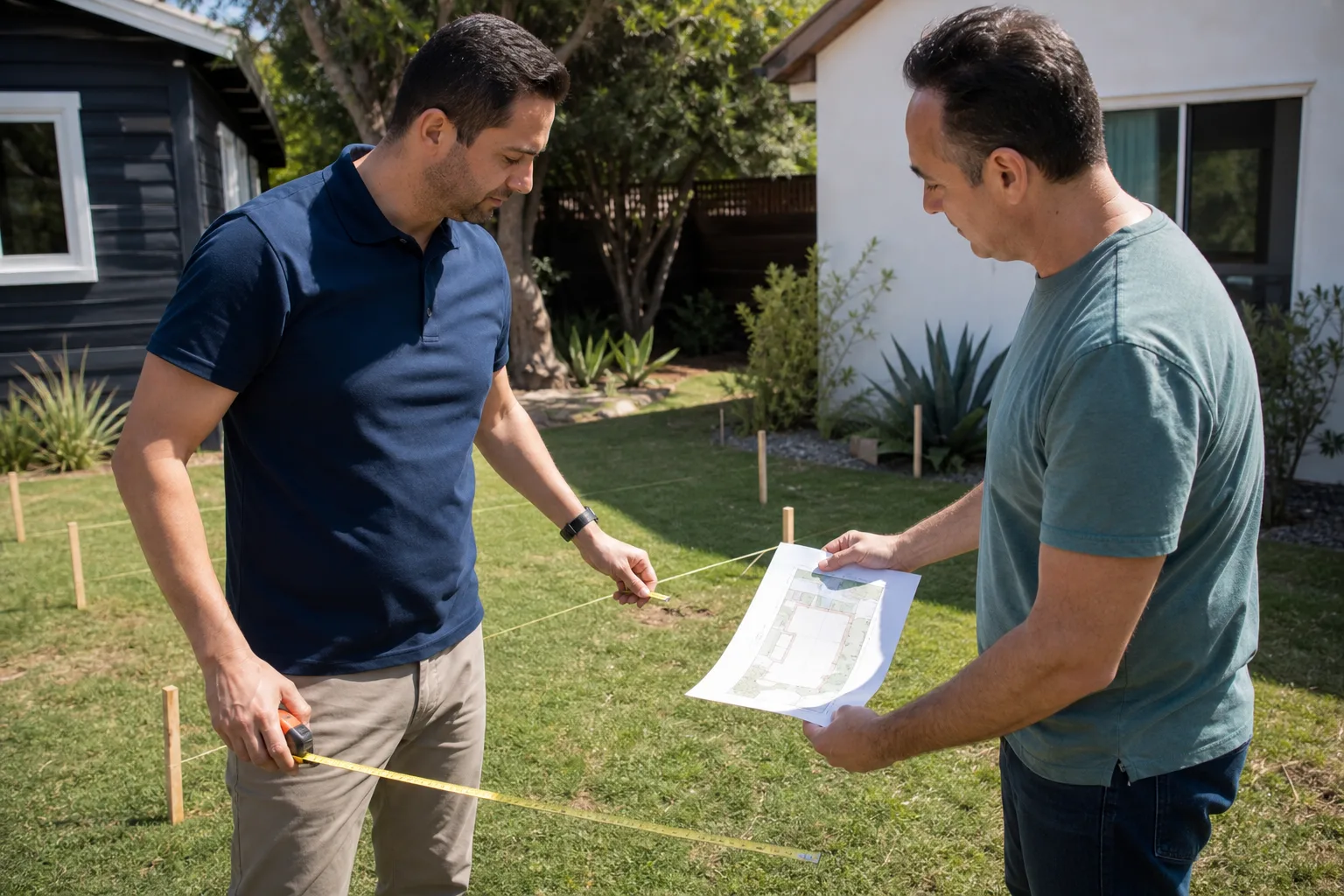
Abodu site prep and utilities work in Fort Worth typically runs $28,000 – $65,000 depending on your lot’s slope, soil condition, sewer line depth, and how far the ADU sits from existing utility hookups. We quote this as a fixed written price before any work begins, with our crews able to start most site prep projects within two to three weeks of permit approval. Most homeowners find out their site prep scope is bigger than expected during the permitting phase, when the city flags a sewer lateral issue or a grading correction that nobody saw coming on the initial walkthrough.
Here’s the reality: the Abodu unit itself is a factory-built product, but the ground it sits on is pure Fort Worth. Blackland Prairie clay moves. Poorly compacted fill settles. Tree roots find old sewer lines. Getting the site prep right is the difference between an ADU that stays level for 30 years and one that starts binding doors by year three.
Which Abodu Models This Applies To
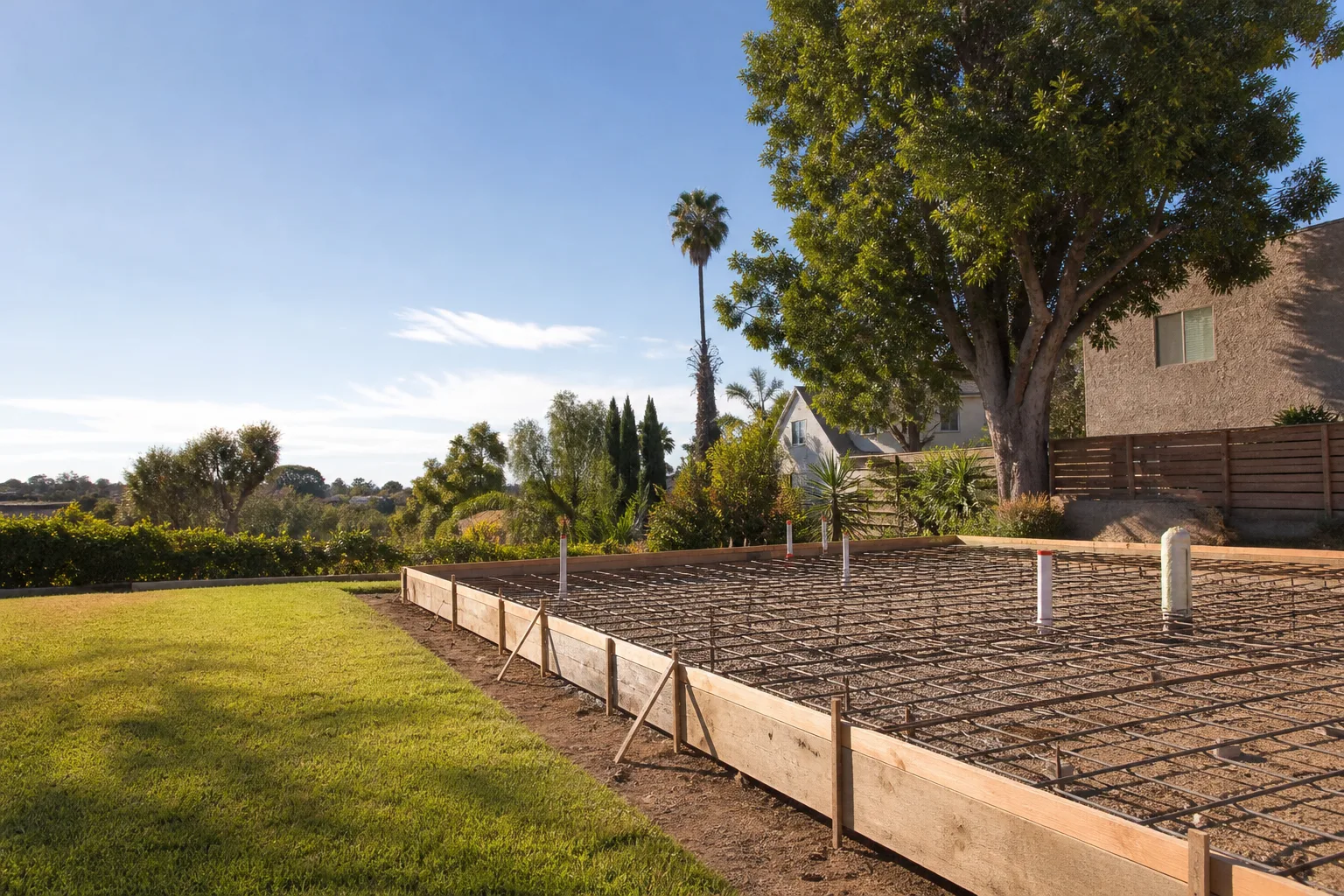
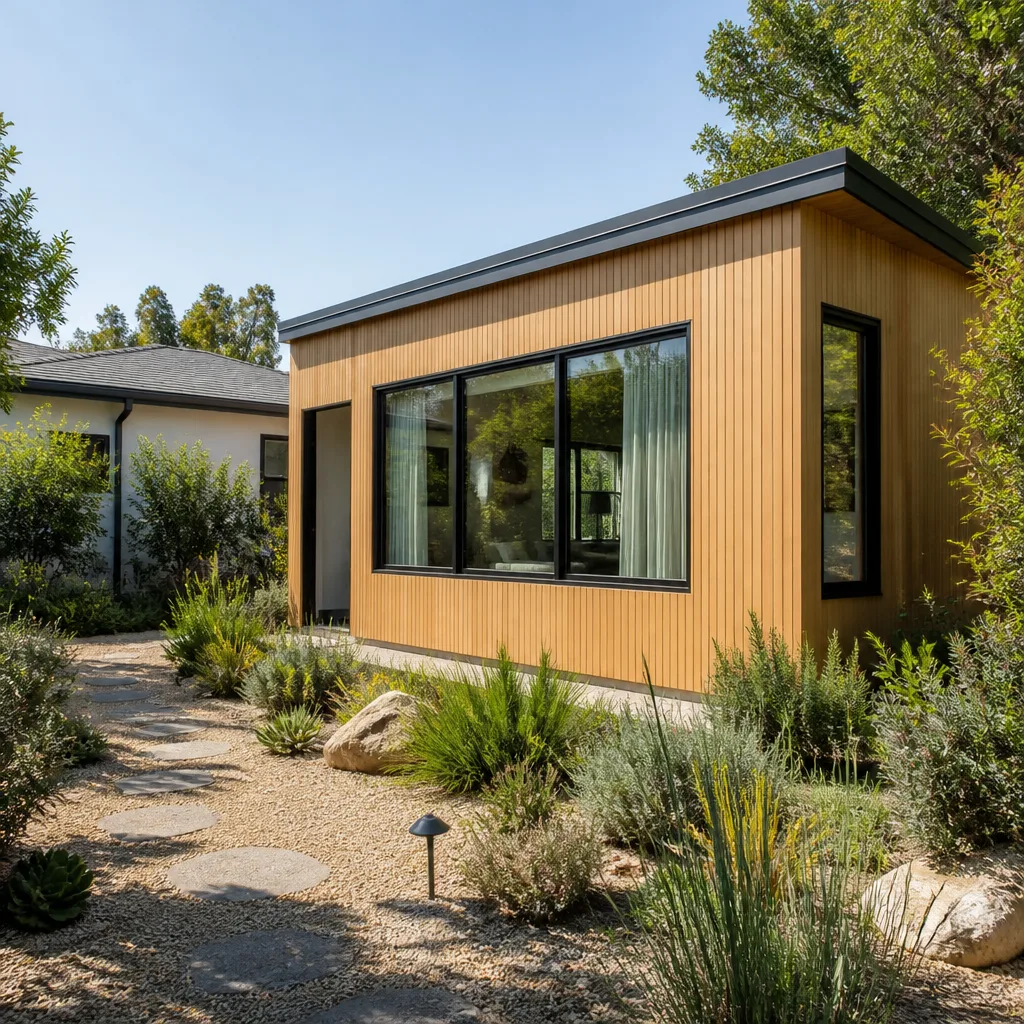
We work across the current Abodu lineup, including the Studio, One Bed, and Two Bed models shipped to Texas. The site prep and utility requirements don’t change dramatically between floor plans, but the foundation sizing does. A Studio sits on a smaller footprint and can often work with a simpler slab or pier system. The Two Bed needs a larger pad, deeper perimeter beams in areas with expansive clay, and sometimes a structural upgrade if your lot sits within a floodplain overlay zone.
The compatibility gotcha most owners miss: Abodu’s Texas installations require a site-specific foundation plan stamped by a Texas-licensed engineer. That’s not optional. The manufacturer’s California standard details don’t transfer automatically, because our soil expansion rates and frost line assumptions are different. If a contractor tells you they can pour a standard slab without a local engineer’s stamp, walk away. That’s the number one place we see site prep go sideways in Fort Worth, particularly in older neighborhoods like Ryan Place or Mistletoe Heights where lot lines and easements complicate the picture.
On parts and materials, we stock OEM-spec compatible components: hold-down anchors, sill plate hardware, sewer cleanouts, water service fittings, and electrical conduit runs sized for Abodu’s factory connections. For some hardware, a quality aftermarket equivalent (Simpson Strong-Tie anchors, for instance) matches or exceeds OEM spec at a lower cost. We’ll tell you which is which on the written estimate, not after the fact.
Signs Your Abodu Site Prep & Utilities Is Failing
- Doors and windows starting to bind or stick. This is the classic sign of foundation movement underneath your Abodu. The clay soil in Fort Worth expands dramatically after wet winters and contracts in August heat. If your ADU’s doors worked fine at move-in but now catch at the top corner, the pad is moving unevenly.
- Slow drains or sewer backup in the ADU but not the main house. This points to a problem on the ADU’s dedicated sewer lateral, usually poor slope on the original install or root intrusion at a coupling joint. Abodu units tie into your main line, and any dip in that new lateral run catches solids.
- Water pooling at the slab edge after rain. Grading that was marginally acceptable at install may have settled. Fort Worth’s clay shrinks and swells, and if the pad perimeter isn’t graded away at the right percentage, you get standing water against the structure, which accelerates slab edge deterioration.
- Visible cracking at the connection point where the ADU meets its foundation. This isn’t cosmetic. A hairline crack at the sill plate connection on one side means differential settlement. Caught early, we can often address it with slab jacking or underpinning without touching the unit itself.
- Low water pressure exclusively in the ADU. If the main house pressure is fine but the Abodu’s shower dribbles, the problem is usually an undersized service line or a kinked PEX run from the original utility connection. We’ve also seen pressure-reducing valves installed on ADU branches by other contractors that should never have been there.
Replacement Cost & What’s Included
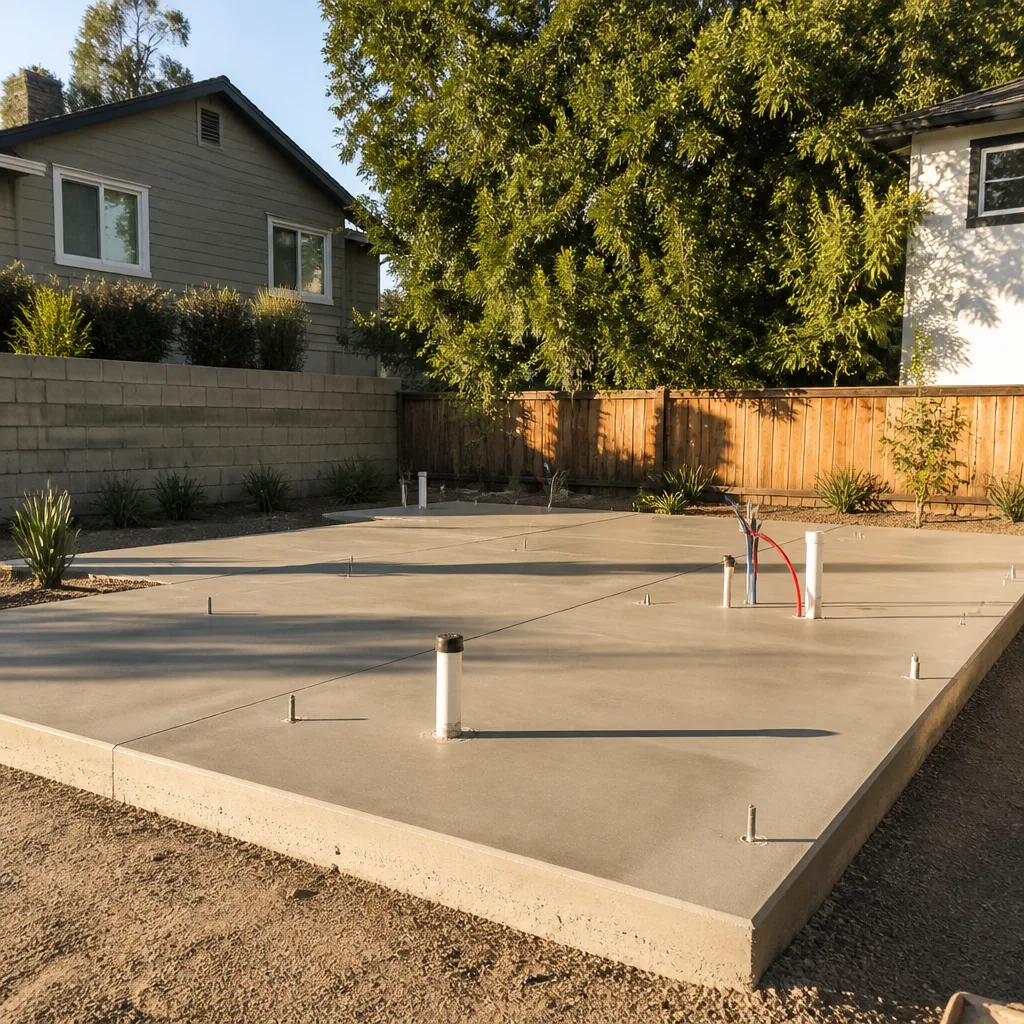
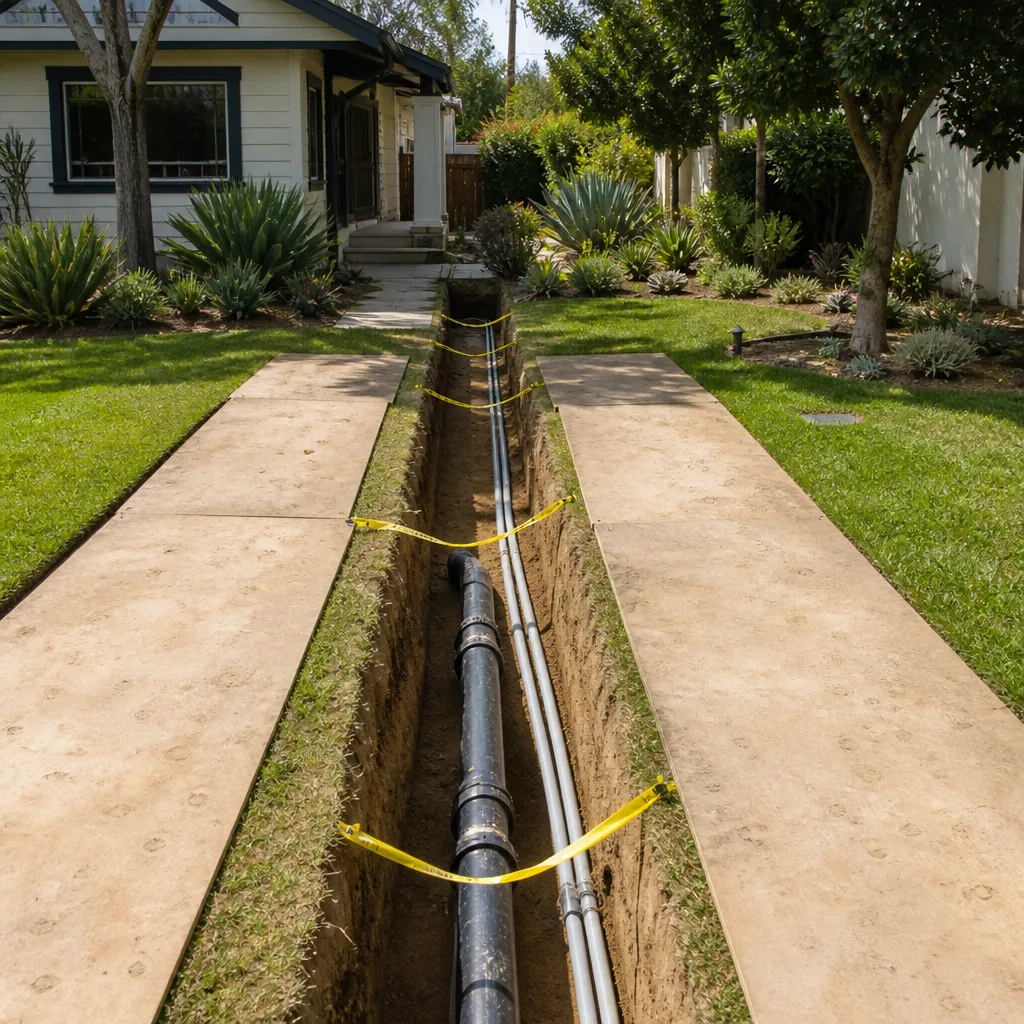
Let’s put real numbers on it, Fort Worth style. A basic site prep package on an already-flat lot with utilities within 40 feet of the build site: $28,000 – $38,000. That covers demolition and clearing, pad construction or pier drilling, grading, compaction, electrical trenching and conduit, water service connection, and sewer lateral tie-in. If your lot has significant slope, requires retaining walls, or sits far from the existing utility lines, the range shifts to $48,000 – $65,000 or more. Every one of these numbers is delivered as a written, line-item price before work starts. No change orders hidden in week six.
The 365-Day Done Right Promise covers all site work we perform for a full calendar year. If the grading settles back, if a conduit run fails, if something we touched isn’t right, we come back and fix it. That’s the written guarantee, stamped on your project file. Free second visit included, no haggling.
DIY or Call Us?
What you can check yourself without risk: walking the perimeter after heavy rain, noting where water ponds, watching for new door sticking, and listening for unusual drain sounds. Those observations help us diagnose fast. What you shouldn’t DIY: anything involving sewer line excavation, electrical trenching, or foundation correction. A trench collapse in Fort Worth clay is a genuinely lethal risk, and a sewer lateral hit with a shovel means an immediate sanitary hazard. We’ve also seen homeowners try to re-grade a perimeter with a wheelbarrow and a weekend, then watch the next storm undo it because the compaction wasn’t there.
If your site prep is failing or you suspect it’s not right, call (682) 255-2399. We’ll send someone who can tell you what’s actually wrong, and as Miles Hartwell puts it: “If the number we give you on day one doesn’t hold up by permit approval, that’s on us – not you.”
FAQs
A properly engineered foundation pad and utility connections should last 30+ years in Fort Worth, but the grading and drainage elements need attention every 5 – 7 years because our clay soil shifts more than most regions. We see far more failures from original install shortcuts than from age. Call (682) 255-2399 if you want us to inspect what you’ve got.
Yes, in most cases. Slab jacking, perimeter underpinning, and targeted re-grading fix the majority of site prep failures without moving the structure. Sewer lateral repairs under a slab may require limited access trenches, but the unit itself usually stays put. We’ll give you an honest read on what your specific failure requires.
A full site prep package for a new Abodu install runs 2 – 4 weeks from first excavation to final utility connection, pending weather and permit inspections. Repair work on an existing ADU, like slab jacking or a sewer lateral replacement, is typically a 3 – 7 day project. Fort Worth’s permit office timelines vary, so we build that buffer into the schedule upfront.
We stock the common wear and connection items: sill anchors, hold-down hardware, cleanout fittings, and utility connection components specific to Abodu’s factory specs. For less common foundation hardware, we source it within days from our Dallas-Fort Worth suppliers. We’re an independent service provider, not affiliated with Abodu, but we’ve worked with their product line, plus Cover and Dvele units, long enough to know which parts fail first in Texas conditions.
Written by Miles Hartwell, Owner, Sutton ADU Fort Worth at Sutton ADU Fort Worth, serving Fort Worth and nearby areas.