Cover New Detached ADU: The Fort Worth Owner’s Guide
If the structural shell, cladding system, or connection hardware on your Cover detached ADU has failed or is showing signs of wear, Sutton ADU Fort Worth stocks and installs Cover-compatible replacement parts across the Fort Worth metro, with most new detached ADU component replacements running between $2,800 and $14,500 installed depending on the part and scope. We carry OEM-spec panels, corner trim, roof membrane sections, and the proprietary fastening hardware Cover units use in the field, and in most cases we can complete the swap in one to two days once the part is confirmed. This page tells you exactly how to identify what failed, what a fair price looks like here in Fort Worth, and how to avoid paying for work you don’t need.
Most owners discover the failure the same way: a visible seam opens on the exterior, water stains show up at an interior corner near the roofline, or the unit stops closing up tight at the transition between wall and roof. In Texas weather, the heat-cycling of a Cover panel system eventually works a weak point to the surface. It doesn’t mean the structure is failing. It means a single part did what parts do, and the fix is usually simpler than it looks.
Which Cover Models This Applies To
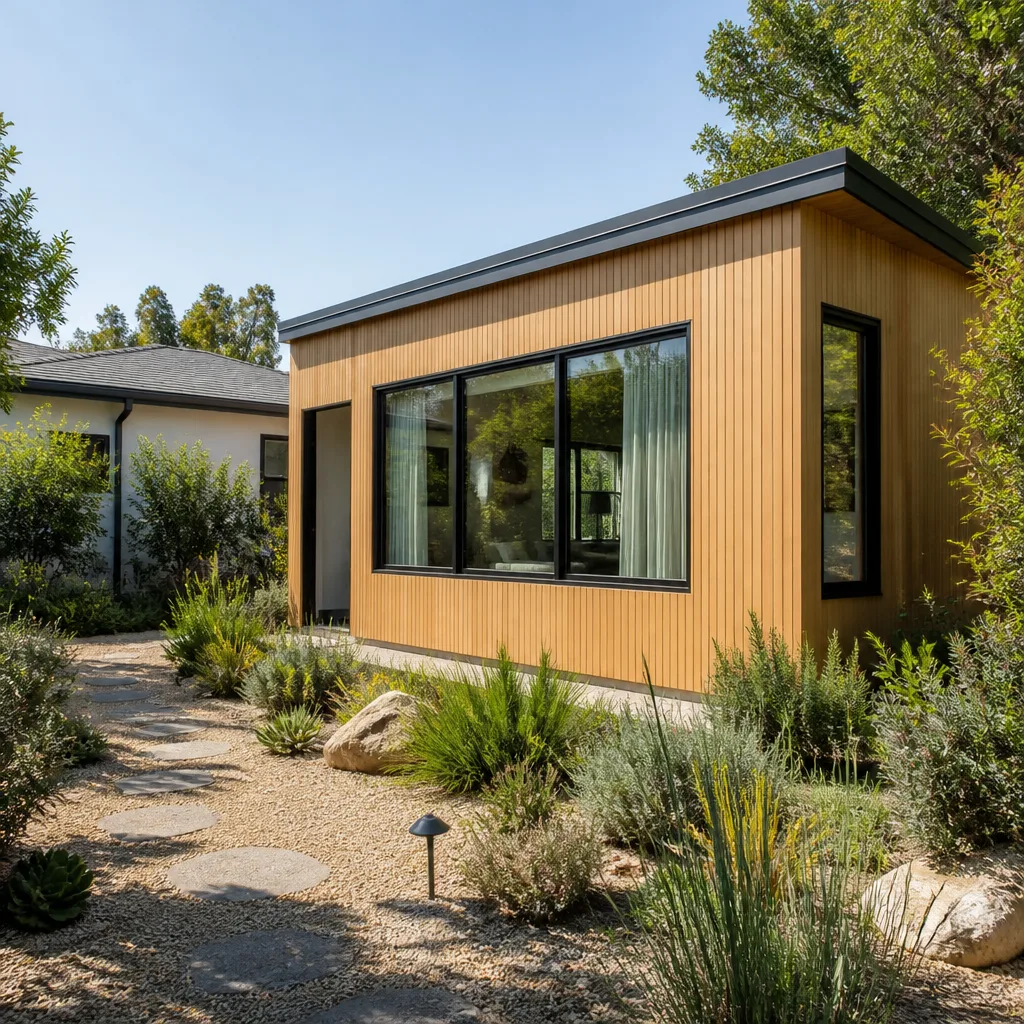
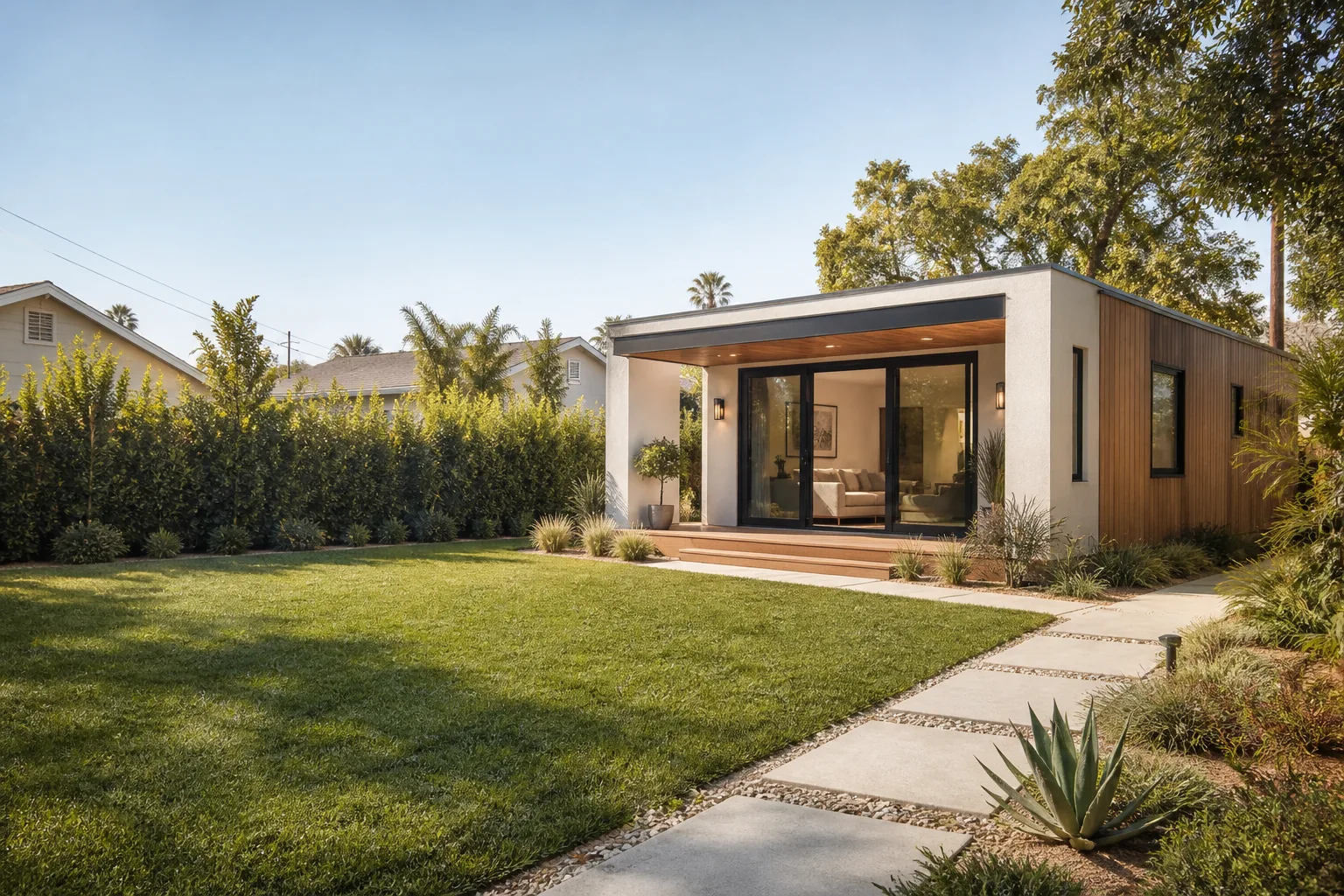
This page covers the Cover S Series and Cover Standard detached ADU models, which make up the large majority of installations in D-FW. The S Series uses a factory-integrated steel frame with insulated wall panels that lock into roof and floor cassettes, and most failures we see are at the cassette joints, the roof membrane laps, or the exterior corner flashing details. The Standard line has similar joinery but a different panel thickness profile, so a part from one line will not always seat correctly on the other without a filler strip. That’s a compatibility gotcha worth knowing before you order anything online.
Cover marks most visible components with a small embossed part code near the seam or on the back face of the trim. If you can read that code without removing anything structural, we can match it exactly. If it’s faded or buried, we measure the panel thickness and the interface geometry on-site and confirm the correct series before ordering. For Cover units, we recommend OEM or Cover-spec aftermarket parts rather than generic building materials. The tolerances on these cassette-to-cassette connections are tighter than a stick-built addition, and a generic flashing from a big-box store will almost always fail early at the same seam.
Sutton ADU Fort Worth is an independent service provider and not affiliated with Cover. That independence matters when it comes to parts: we’re free to tell you when a quality aftermarket equivalent will do the job for less, and when it won’t.
Signs Your Cover New Detached ADU Is Failing
- Visible gap at a wall-to-roof cassette seam. The elastomeric seal between panels has lost adhesion, usually after years of 100-degree-plus summers followed by overnight drops. Water and pests both find that gap faster than you’d expect.
- Water staining at an interior corner, especially near the roofline. This means the exterior moisture barrier has been breached at a joint or flashing detail. The interior stain is the symptom you see; the actual failure is outside and usually above where you’re looking.
- Rust bleed or corrosion on exposed fasteners or corner trim. In Fort Worth’s humidity cycles, a failing fastener will telegraph itself with orange streaking. This is often the first sign the fastening hardware has lost its protective coating, and it’s a cheap fix if caught before the surrounding panel is compromised.
- Panel deflection or soft spots where the wall meets the floor plate. Water wicking up from grade or pooling at the foundation transition breaks down the lower panel edge over time. We see this more on lots with poor drainage in older Fort Worth neighborhoods like Mistletoe Heights or Berkeley Place, where the soil heaves seasonally.
- Interior temperature inconsistency in one zone of the ADU. If one corner runs hot all summer while the rest of the unit cools evenly, the insulated panel or its seal has likely failed. The HVAC isn’t the problem; the building envelope is.
Replacement Cost & What’s Included
In Fort Worth, expect installed prices roughly in these ranges for Cover-compatible work:
- Single panel replacement (interior or exterior, matched finish): $2,800 – $5,600 installed
- Corner flashing and trim package replacement: $1,900 – $4,200 installed
- Roof membrane section repair (under 50 sq ft): $3,200 – $7,800 installed
- Fastener and connection hardware refresh (entire unit): $2,200 – $5,900 installed
- Full re-seal of all cassette joints plus inspection: $6,500 – $14,500 installed
The range depends on the series, how many parts failed, and whether the unit is a single-story Standard or an S Series with more complex corner details. Every quote from Sutton ADU Fort Worth includes the part, labor, haul-away of the failed component, and a written line-item price before any work starts. The 365-Day Done Right Promise covers defects in workmanship for one full calendar year from project completion. If the part fails again because of our install, we come back and fix it at no charge. If the part itself is defective from the manufacturer, we’ll handle the claim and the re-install, and the second visit is free. No haggling.
DIY or Call Us?
A panel swap on a Cover ADU is not high-tension or electrical, so there’s no immediate danger in inspecting your own unit. What you can safely do: photograph the part code, check visible seams after a hard rain, and run a hand along interior corners for damp or cold spots. What you should not do: pull a panel or remove flashing without knowing how the cassette is fastened underneath. The connection hardware on these systems is under load, and if you unscrew the wrong sequence, you can warp the adjacent panel and turn a $3,000 repair into a $9,000 one. We’ve watched that exact sequence play out more than once on units near the TCU area, and it’s always cheaper to call first.
If you’re not sure whether what you’re seeing is a real failure or normal wear, call us at (682) 255-2399. We’ll walk you through what to photograph and send, and we’ll tell you honestly if a truck roll is even necessary.
FAQs
Expect 20 to 30 years from the structural cassette system, but exterior seals, flashings, and fasteners typically need refresh or replacement between years 8 and 15 in North Texas, because the heat cycling here is harder on elastomeric joints than coastal climates. If your unit is over 10 years old and has never had a joint inspection, you’re likely closer to the end of the seal lifespan than the start. Call (682) 255-2399 if you want a no-pressure assessment.
In most cases, no. A failed elastomeric seal or a corroded fastener is a material failure, not a maintenance issue, and patching over it adds cost without adding lifespan. The exception is a minor surface scratch or a loose trim piece, which we can often re-seat in an hour. We’ll tell you which situation you have before recommending any spend.
Most single-part replacements are done in one working day. A full re-seal of all cassette joints takes two to three days, depending on weather and access. We schedule, confirm, and show up. You get a written price before the work starts, and the name and photo of the technician before they arrive.
We stock common Cover-compatible fasteners, sealants, and trim profiles on our service vehicles, and we can source series-specific panels within three to five business days. For unusual or discontinued parts, we’ll give you a straight timeline and a written quote before you commit to anything. We also work on Abodu and Dvele units, so if you have more than one prefab structure on your lot, we can handle both.
If you’ve got a failed part on your Cover ADU and you want an honest read, call Sutton ADU Fort Worth at (682) 255-2399. We’ll tell you on the first call whether it’s a repair, a replacement, or something you can watch for another year without spending a dime. If the number we give you on day one doesn’t hold up by permit approval, that’s on us – not you. We’ve been building and repairing detached ADUs in Fort Worth under the Threshold Standard since 2006, and every technician who steps onto your property will be background-checked, identity-verified, and photo-badged, with their name and photo sent to you before they arrive. Free estimates are always part of the deal.
Written by Miles Hartwell, Owner, Sutton ADU Fort Worth at Sutton ADU Fort Worth, serving Fort Worth and nearby areas.