Plant Prefab ADU Builders in Fort Worth: What to Know First
If you own a Plant Prefab ADU in Fort Worth and need builders who actually understand the product, we can help. Sutton ADU Fort Worth provides independent Plant Prefab ADU installation, repair, and modification work across the city, with most projects completed in two to six weeks depending on site conditions and scope. The honest cost posture is this: we give you a written price before any work starts, and that number doesn’t move unless you change the scope. Call (682) 255-2399 to talk through what you’re dealing with.
This page is written for Plant Prefab owners who want straight answers about what can go wrong, what it costs to fix, and who’s actually showing up at the property. We’re an independent Plant Prefab service provider, not an authorized dealer or factory rep. That’s a distinction worth making early: we work for you, not the manufacturer.
Here’s the quick version of what most Plant Prefab owners in Fort Worth need to know. Installation and repair work on these units runs on a different timeline and parts supply chain than stick-built ADUs. We’ll explain why below.
How Plant Prefab Products Fail – and How We Fix Them
Plant Prefab builds a solid product, but no prefab system is maintenance-free. Here are the failure modes we see most often on Plant Prefab units in Fort Worth, especially after a few Texas summers.
- Panel seam separation on Plant Prefab’s custom single-family and multi-family lines. Plant Prefab’s panelized construction relies on factory-fitted joints that can open slightly when the unit settles or when Fort Worth’s clay-heavy soil shifts beneath the foundation. You’ll notice hairline cracks at interior wall seams or slight gapping where wall panels meet the ceiling line. Our fix: we open the seam, check for structural movement, refasten to spec, and refinish so the seam disappears. We flag any foundation movement as a separate issue because sealing the crack without addressing the movement means it comes back.
- Perimeter flashing failure at the roof-to-wall transition on Plant Prefab’s LivingHome series. The factory-installed flashing works well in California’s mild climate, but Fort Worth’s freeze-thaw cycles and driving spring storms test every seam. When flashing separates from the wall plane, water tracks inside the wall cavity and shows up as staining at interior ceiling corners. We remove the failing flashing, inspect the sheathing behind it, replace any compromised material, and install a heavier-gauge flashing with proper Fort Worth wind-loading in mind.
- HVAC condensate line clogs on compact Plant Prefab models. The tighter the building envelope, the more the HVAC runs, and the more condensate it produces. On smaller Plant Prefab units, the factory condensate lines are often routed through tight chases that make them prone to algae buildup in Fort Worth’s humidity. The symptom is water pooling at the unit’s exterior wall or intermittent AC shutdown from a float-switch trip. We clear the line, flush it, and when the routing is the actual problem, we reroute with a wider-diameter line and a cleanout access point the factory layout didn’t include.
- Window and door frame racking on pier-and-beam foundations. Plant Prefab units set on pier foundations in older Fort Worth neighborhoods, like those near Fairmount or Mistletoe Heights, can experience slight frame racking as piers settle independently. Doors that stick in summer but swing fine in winter are usually a sign. We check the foundation elevations first, then re-shim the door or window frame to square. If the piers are the culprit, we refer you to a foundation specialist before any cosmetic work because a door fix alone won’t last.
- Electrical panel capacity limits on early-2000s Plant Prefab modules. Some older Plant Prefab units in Fort Worth were built with 100-amp panels, which made sense when they were manufactured but strains under modern loads: induction cooktops, EV chargers, heat-pump water heaters. The symptom is tripped breakers when multiple appliances cycle on. We evaluate your actual load, and if upgrading is warranted, we handle the panel swap and coordinate with the city on the electrical permit. This is one area where aftermarket parts make sense: a 200-amp panel from a major manufacturer is functionally identical to the factory spec at a better price point.
Our Plant Prefab ADU Builders Process
Every Plant Prefab job follows the same sequence, whether it’s a repair on an existing unit or a full installation on your lot. Here’s what to expect when you call us in Fort Worth.
- 1
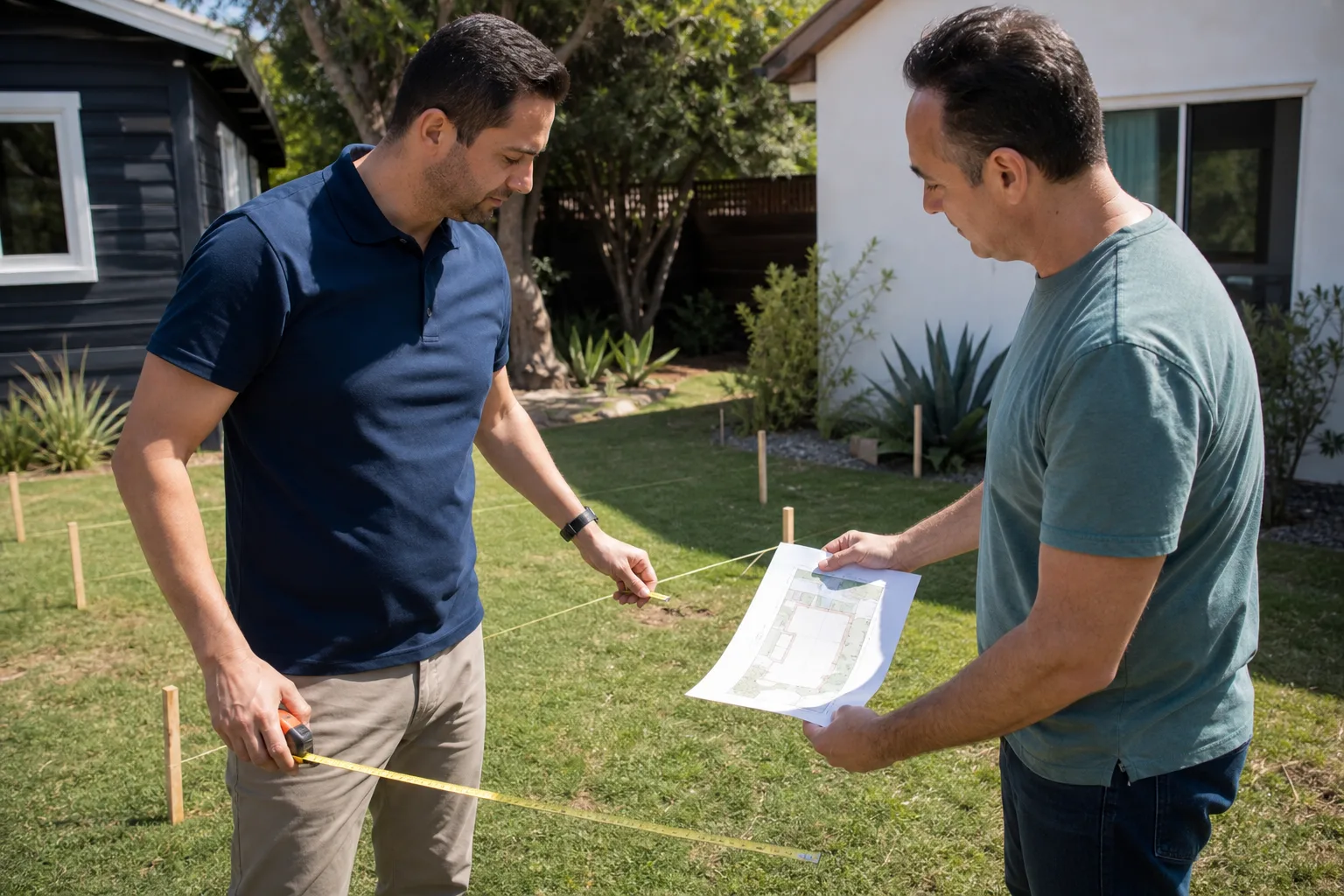
Site visit and assessment. We walk the property, look at the unit or the proposed build site, and take measurements. You’ll get the name and photo of the technician before they arrive, and they’ll show a photo ID badge at the door.
- 2
Written scope and price. You get a line-item written price covering the work we discussed. No allowances for “maybe” costs. If it’s not in writing, it’s not in the job.
- 3
Parts and permitting decision. We confirm which OEM Plant Prefab parts make sense for your repair and where a quality aftermarket substitute serves you better on cost and lead time. We pull any required Fort Worth permits before work starts.
- 4
The work itself. Our crew handles the full sequence: framing adjustments, panel work, flashing, electrical, interior finish. You’ll see the same faces throughout the job, not a rotating cast of subs.
- 5
Testing and walkthrough. We test every system we touched, then walk the space with you before we call the job done. You tell us what looks right and what doesn’t.
- 6
The 365-Day Done Right Promise. Every project carries a written one-year workmanship guarantee. If something we did fails within that year, we fix it. If it requires a second visit, that visit is free.
What Plant Prefab ADU Builders Costs in Fort Worth
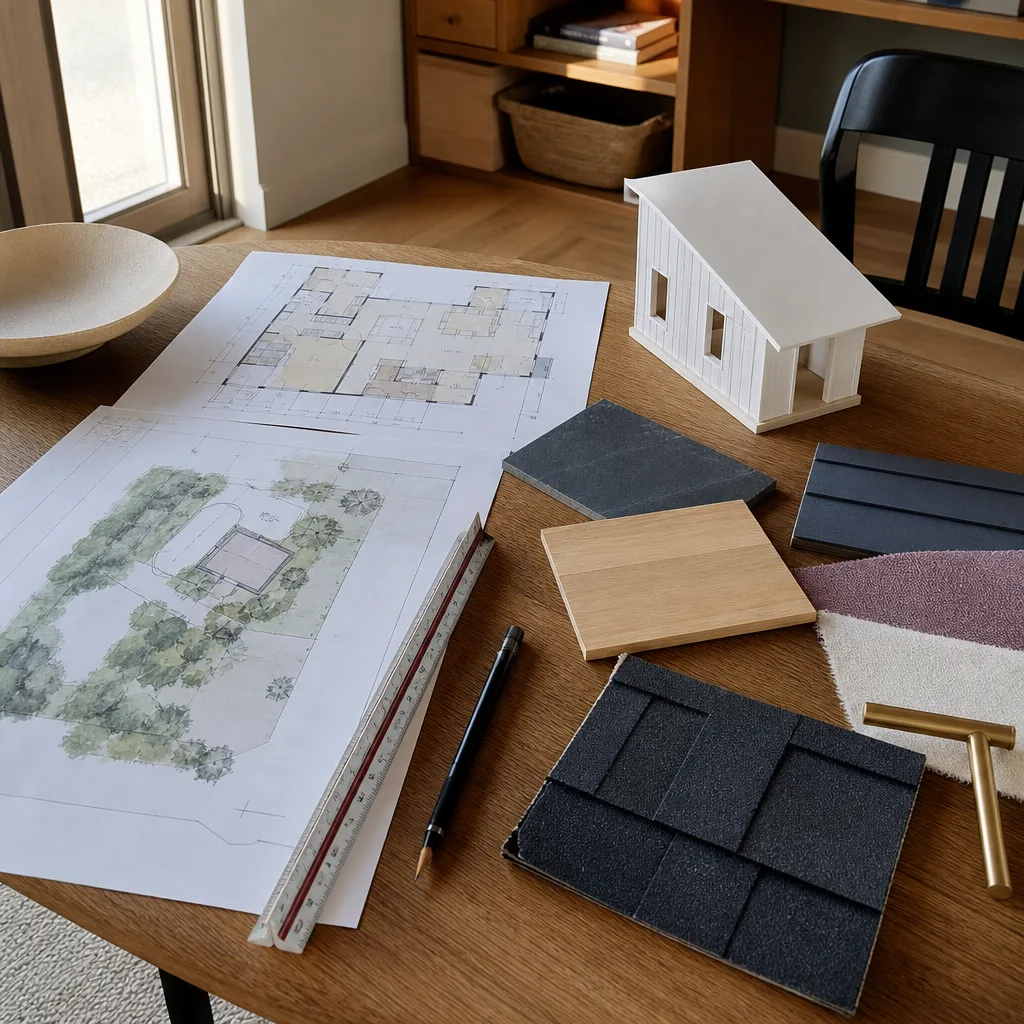
Here are real numbers based on Plant Prefab work we’ve priced in Fort Worth recently. These are ranges, not quotes, because your lot, your unit’s condition, and your scope all move the final figure.
| Scope | Typical Range |
|---|---|
| Panel seam repair (single seam) | $400 – $900 |
| Roof flashing replacement (full perimeter) | $2,800 – $6,500 |
| HVAC condensate line reroute | $350 – $800 |
| Electrical panel upgrade to 200-amp | $3,200 – $5,500 |
| Full Plant Prefab ADU installation (unit on site, site prep required) | $18,000 – $45,000 |
| Foundation, utility connections, and site work (separate from unit work) | $25,000 – $70,000 |
What moves the price most in Fort Worth: foundation type (pier-and-beam adjustments run more than slab), how far your utility connections have to run from the main house, and whether your neighborhood or HOA has restrictions that require extra documentation. We put the full price in writing before we start, so you’re never surprised by a change order you didn’t ask for.
Call (682) 255-2399 and we’ll give you a free estimate for your specific situation.
Why Fort Worth Homeowners Call Sutton ADU Fort Worth for Plant Prefab Work
Most Fort Worth homeowners don’t have a dedicated Plant Prefab specialist on speed dial. When you call us, a live person answers, not a phone tree. That matters when you’re standing in a unit with water coming through the ceiling and you need to know a real builder is on the other end of the line, 24 hours a day, seven days a week.
The bigger reason is this: every technician we send is Threshold Verified, which means they’ve passed a background check, their identity is confirmed, and their name and photo arrive on your phone before they do. When they knock, they’re in a clean marked uniform and they hand you a photo ID badge. That’s the Threshold Standard, and it’s not optional on any Sutton ADU Fort Worth job.
We also work across the ADU landscape, so if you’re weighing a Plant Prefab repair against a different approach altogether, we can give you honest guidance. Our crews have experience with Abodu, Cover, and Dvele products as well, which means we can tell you whether switching systems makes sense or whether your Plant Prefab is worth the investment to make right.
FAQs

We’re an independent Plant Prefab service provider, so we don’t process claims through Plant Prefab’s warranty department. What we do is perform the work correctly, document it thoroughly, and give you the paperwork you need to pursue a manufacturer warranty claim if the failure is covered. Our own 365-Day Done Right Promise covers our workmanship independently of anything Plant Prefab does or doesn’t cover. Call (682) 255-2399 and we’ll help you figure out which path applies to your situation.
Most single-issue repairs, like a panel seam or a flashing replacement, take one to three days on site. Bigger jobs, like a full panel upgrade or a multi-seam repair across an entire unit, run a week or more. A full installation with site work can take four to six weeks, mostly because Fort Worth’s permitting process and utility coordination run on their own schedule. We’ll give you a timeline in writing with your estimate.
It depends on the failure mode and your long-term plans. If the issues are isolated to flashing, seams, or electrical capacity, repair almost always makes more financial sense than replacement. If you’re seeing structural movement across multiple planes of the unit, we’ll be straight with you about whether a repair will hold. We’ve told Fort Worth homeowners both answers before, and we’ll give you the numbers to back up whichever recommendation fits your situation.
In most cases, yes. Plant Prefab’s interior finish palette is documented, and we work with the same finish materials and paint lines used in factory builds. Where a match is no longer available because a product was discontinued, we’ll tell you before we start and give you options, including a full repaint of the affected wall plane so the difference doesn’t show. You approve the approach before any finish goes on the wall.
Written by Miles Hartwell, Owner, Sutton ADU Fort Worth at Sutton ADU Fort Worth, serving Fort Worth and nearby areas.